Residential
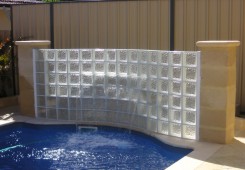
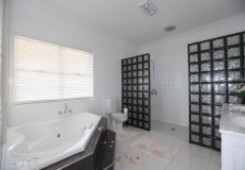
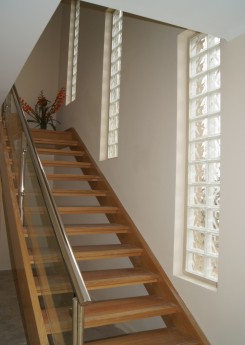
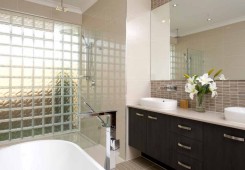
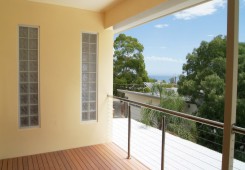
Glass blocks can be used as walls, windows, screens, room dividers and even paving panels. They
are available in a range of patterns and colours to suit your decorating style. Bring light and new life
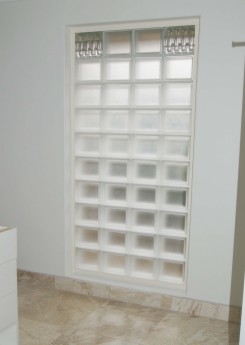
into a dark and dingy room, while maintaining your privacy, by cutting out a portion of wall and fitting glass
blocks. Keep the light but hide an unattractive view with glass blocks. They are the equivalent of
double glazing with respect to sound reduction, help keep rooms warmer in winter and cooler in
summer , and provide excellent security.
Glass blocks can be installed in straight or curved panels (or a combination), and with silicone or
mortar. Either way, if you are using the blocks in place of a window, they need to be enclosed
within a perimeter frame just like any other type of glass. If this is not done, pressure will build up
over time due to movement as a result of expansion and or contraction, and the blocks will start to crack.
We can supply customers with easy to install DIY kits for most panels. The kits include blocks, powdercoated
aluminium perimeter frame and all other components necessary, plus fully illustrated instructions
to ensure a perfect finish. In some cases we can make it even easier for you by supplying a fully
prefabricated panel (size limits apply), or for more complex installations, if you prefer, our experienced
technicians can do all the work for you.
If you have an idea for how glass blocks can be used in your home, give our helpful, friendly team a
call, or visit our showroom and we will help you work out how to best achieve it.
Email Us: sales@glassblocksqueensland.com.au